
Taking Charge of Life with Pulmonary Rehab: Donna’s Journey

A Glimpse into Donna's Life

Meet Donna Wissinger: a vibrant woman who has faced the challenges of living with Chronic Obstructive Pulmonary Disease (COPD) head-on. Donna is a lifelong movie buff, who also enjoys music and reading. She grew up in Northeast Philly until her family moved to Willingboro, NJ at age ten. Having worked for 22 years in a management accounting firm that owned and managed nursing homes, Donna has always been a determined and motivated individual. However, her journey took a turn when she began to cough and experience her first respiratory symptoms in the 80s. Initially diagnosed with Asthma, Donna tried various treatments over the years, until she received a diagnosis of COPD and was referred to Advantage Therapy Centers.

Discovering Pulmonary Rehabilitation
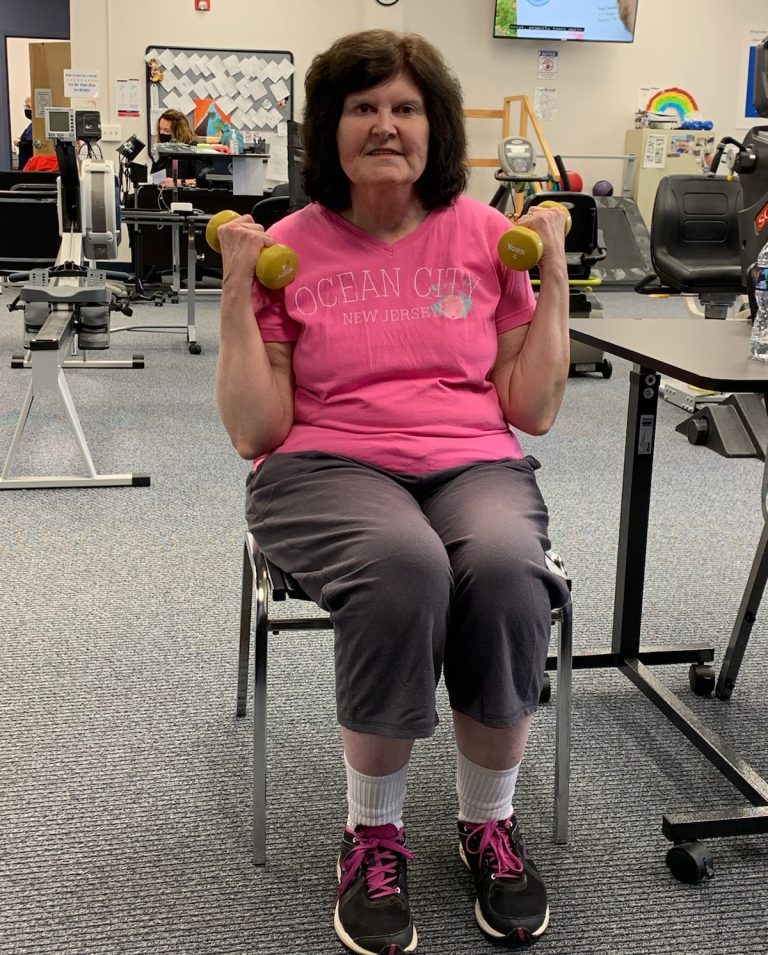
Donna’s pulmonologist recommended pulmonary rehabilitation to improve her symptoms and overall quality of life. In July 2022, Donna started her journey at Advantage Therapy Centers. With a newfound determination to regain control over her life and her health, she embraced the opportunity that pulmonary rehabilitation presented:

“I just decided I was going to take full advantage of the program and see it as an opportunity, if I had the chance to get help and relief from pulmonary rehab, I was going to take it for all it's worth.”

The Power of Pulmonary Rehabilitation

Since beginning the pulmonary rehabilitation program, Donna has experienced remarkable improvements in her daily life. Following her final rehab session, Donna shared “Medications I have taken over the years have helped, but I still had bad times with my symptoms. Coming here I feel as normal as I ever have.” Donna’s Increased energy levels have allowed her to complete activities of daily living, such as changing sheets and climbing up and down stairs, with greater ease and reduced breathlessness. “Exercising and increasing my leg strength has taken pressure off of my lungs so that I’m able to do more,” Donna reports. This newfound vitality has made a significant impact on both her physical and mental well-being.

In Donna’s Own Words

During a recent conversation with Donna, she graciously shared her advice and experiences with us. Attending pulmonary rehabilitation sessions regularly and adhering to the program was key to her progress. When asked about her advice for fellow patients, Donna emphasized the importance of consistency and determination:

"Definitely start pulmonary rehab and do the best you can do. Just be determined. If you make the decision to do it, just do it and be consistent. Take advantage of the change to improve how you feel and trust the therapists, they’re here to help and they won’t ask you to do any exercises that you can’t handle."

She highlighted that pulmonary rehabilitation is not merely a short-term solution but rather a lifelong commitment to maintaining one’s health by being more active and applying the techniques learned in the program to everyday tasks:

"I learned I’m never going to be fast, I’m not here to be fast, I’m here to get better. The therapists helped me see that if I do things slower and don’t rush, I can focus more on controlling my breathing. I apply it to everyday things like pausing before I carry my laundry basket up the steps. By practicing the breathing techniques and pacing myself, I have a little more stamina.”

A Source of Inspiration

Donna’s journey serves as a powerful reminder that health challenges need not define us. By embracing the opportunities pulmonary rehabilitation presented, she has taken control of her life and improved her symptoms, leading her to enjoy a higher quality of life. Donna’s experience highlights the importance of therapy and a comprehensive treatment plan in managing chronic pulmonary conditions.
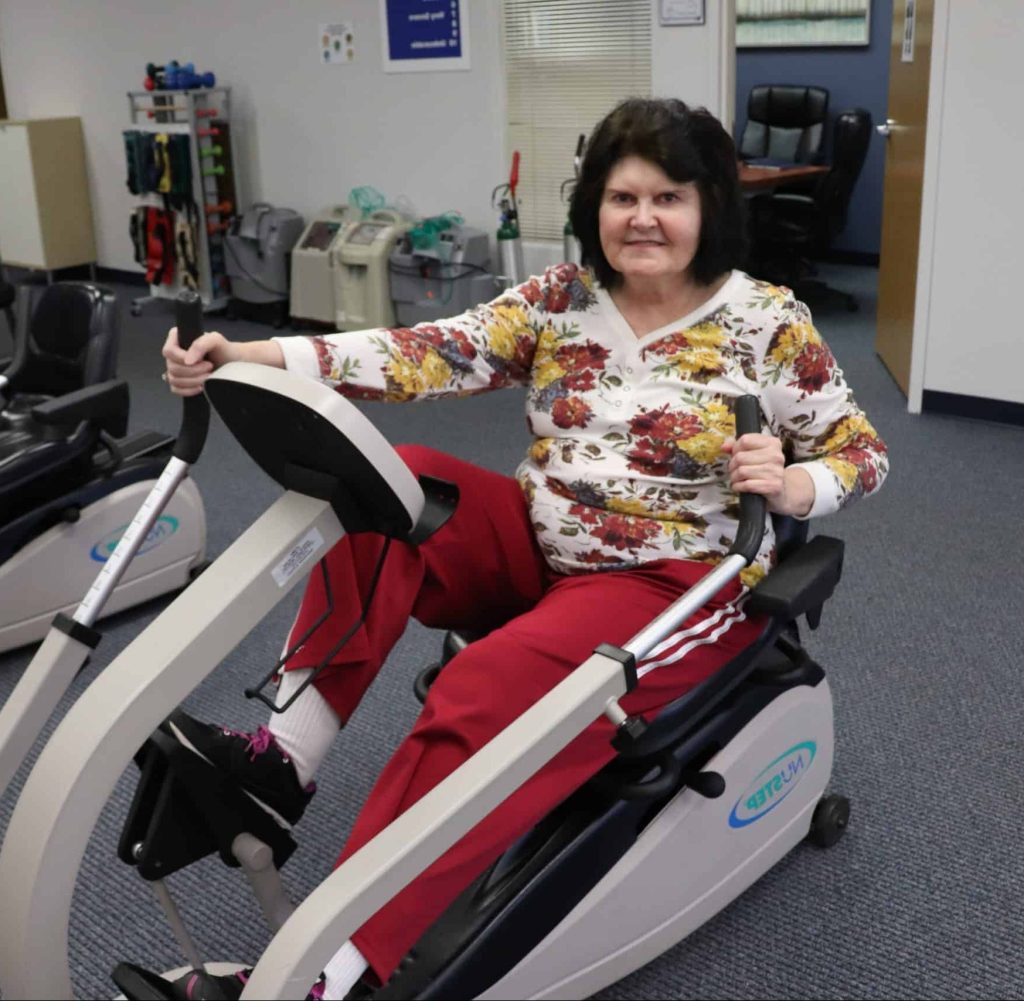
Rehabilitation: Empowering Lives

At Advantage Therapy Centers, patients like Donna find a supportive and motivating environment, led by dedicated healthcare professionals who are committed to patient well-being. The pulmonary rehabilitation program combines personalized treatment plans, exercise routines, education, and emotional support to empower individuals to regain control of their chronic conditions. Donna’s remarkable journey through pulmonary rehabilitation showcases the incredible potential for individuals diagnosed with chronic illness to improve health and well-being. Reflecting on the program, Donna shares that her favorite part “has been the whole process of improving and finding improvements in myself, like my muscle memory and getting my muscles to work with me.” 

Her story serves as an inspiration for others facing similar challenges, emphasizing the importance of consistent effort, determination, and a positive mindset. If you or a loved one are navigating the complexities of COPD or other respiratory conditions, consider exploring the benefits of pulmonary rehabilitation and discover the transformative power it can bring to your life. Remember, it’s never too late to take control and embrace a better, healthier future!


5 COPD Tips for Holiday Dinners

1. Plan healthy dishes that follow your diet.

Good nutrition helps the body fight infections, keeps muscles strong for breathing, and keeps your bones stronger. Planning your meal based on your diet will help you continue to eat well while enjoying holiday events. Continue to follow or seek dietician recommendations of which foods you should add or avoid. If you are eating at someone else’s house, offer to bring a healthy dish to ensure there is something you can eat if you have dietary restrictions. While eating healthy, you can still enjoy the holiday treats you normally avoid, just start with eating the healthy options and save your not-so-healthy favorites for last. If you start to fill up on healthy food, you naturally eat smaller portions of the rest. Remember to drink plenty of unsweetened fluids with your meal, such as water or tea, to stay hydrated. Hydration helps keep mucus loose so that you can breathe easier.

2. Focus on breathing while you eat.

Eating uses your muscles and organs to break down and digest food. This process consumes oxygen and can increase shortness of breath. Take breaks between bites when you need to catch your breath. One way to help reduce shortness of breath when eating is to choose soft foods. These foods are easier to eat because they require less chewing, which conserves more energy and oxygen. A few soft foods popular at holiday dinners includes mashed & potatoes, yams, sweet potato, macaroni and other noodles, cooked carrots, soup, cooked fruit, casseroles, cranberry sauce, moist fish, and gravy-coated meats.

3. Don’t skip meals to “Save Room” or overeat.

A full stomach pushes against the diaphragm, making it difficult for the lungs to fill with air, which causes discomfort and shortness of breath, so some people plan to skip meals and make up for it later so they “have more room” to try lots of food. However, it can actually make your condition worse! If you have diabetes, skipping a meal can affect your blood sugar levels. If you have COPD, skipping meals leads you to eat too quickly to realize you are full, which takes about 20 minutes. Eating fast also uses energy and oxygen quicker, leaving you feeling drained after the meal. Instead, eat snacks leading up to dinner and savor each bite between chatting with family to give yourself time to feel full. If you want room to try each dish, opt for small portions and start with your favorites.

4. If you are hosting, choose foods that are easy to prepare.

After using all of your energy to cook, you may feel too tired to eat the meal and socialize. Luckily there are a few ways to make holiday dinner easier. One way is to suggest a potluck, which has become more popular at get-togethers. Everyone coming to the event can bring a dish, this distributes the work so that you have more time to rest. You can also prep what you can in the days leading up to dinner, some dishes that are easy to make in advance include casseroles, cooked vegetables, and most desserts. You can also look up recipes with a shorter prep time, which means less time chopping ingredients or hovering over the dish. It is also important to be well-rested before the event. Try to leave some time to relax right before guests arrive, preparing things ahead of time can help with this too!

5. Maintain your sleep and exercise routine.

While you can often get caught up talking with family, your immune health and energy levels depend on a regular sleep schedule and daily exercise. Suggesting a light walk with family after dinner can help you work in exercise. To maintain your sleep schedule, make sure to sleep a full 8 hours the night before, and try to limit drinking alcohol as it can interfere with your sleep quality. Remember to keep an eye on the time during dinner too, so you can call it a night before you miss your regular bedtime. If you are planning the dinner, it can help to set a time range for the event and include it on invites. This helps prepare guests so they already know when to head home.


For more information on ways to manage COPD, click here.

5 Snow Shoveling Tips to Help You Prevent Aches and Pains

Many people describe snow as light and fluffy. However, anyone who has shoveled snow knows that lifting those icy shovelfuls can be heavy and tedious to clear. They may have even experienced a sore lower back or shoulders afterward. Each year there are about 11,500 snow shovel-related injuries treated in emergency rooms. The most common injuries treated are strains, sprains, contusions, abrasions.¹ Shoveling and lifting the snow using the proper technique can help you prevent serious back and shoulder injury. That is why Advantage Therapy Centers has gathered these five tips help protect you and your muscles.

Lift Small Loads of Snow

Lifting large loads of snow is one of the most common shoveling mistakes. While it can be tempting to lift more in order to clear the way faster, the extra weight puts strain on your muscles. If you have been lifting with your back, the stress on your lower back could cause an injury. If you are already lift with your legs, this may lead your body to overcompensate by using your back or shoulders to lift. Instead, take smaller amounts of snow at a time. With less stress to your body, smaller dents in the snow can even get the job done quicker.

Bend Your Knees and Lift With Your Legs

When lifting heavy objects, it is best practice to lift using your hips and knees to absorb the added weight. This technique helps spread the weight across several muscles and your core strength, rather than pulling on the muscles and joints of your back and shoulders. To lift with your legs, keep your back straight and bend your knees and hips to reach down. Then straighten your legs, without twisting, to safely lift. If you are using your back to bend forward, you are not lifting with your legs.

Use The Right Shovel to Help Keep Your Back Straight

Using a shovel that is too short or too long can make proper technique difficult. Too long of a shovel and you may twist to pick up and throw the snow. Too short, and bending your knees low enough to lift without leaning forward is impossible. When choosing the correct shovel, with the blade on the ground, the handle should reach your elbow. It may help to practice the motion of bending and lifting with your knees to ensure your back is kept straight.

Step The Direction You Are Throwing to Avoid Twisting

While lifting, twisting can pull the back out of alignment or cause the next day aches that many experience. Instead, step in the direction you want to throw the snow to keep your lower back from twisting. Pushing the snow, rather than lifting and throwing it, also helps to avoid twisting.

Take Breaks to Walk Around and Stretch Your Back

One of the most important steps to physical work is taking breaks to stretch. Frequently take a break to walk around and extend your back. This can counteract bending you may be doing without noticing. This can also help keep your muscles from being tense for too long, which can help you avoid next day muscle pain.

Do you experience frequent lower back, shoulder, or joint pain? Advantage Therapy Centers has 20 years of experience treating various conditions with physical and occupational therapies. We have three convenient South Jersey locations listed below. Ask your doctor if physical therapy is right for your condition and call 856-840-8008 to schedule an appointment. 

Staying In? Stay Active With Our Telehealth Services

We understand that in these times some people prefer to stay home and quarantine to stay healthy, especially those who are at higher risk for respiratory illness complications. While we are following safety precautions to keep our facilities clean and socially distanced for the safety of our patients and staff, we know many of our past and future patients are not yet comfortable leaving their homes. Our vision has always been to provide personalized care to every patient, every day, so we have adapted to provide our services from the comfort of your home through Telehealth services.

What Is Telehealth?

Telehealth, also called telemedicine, is a way to experience health and wellness appointments from home. Telehealth is a virtual appointment with your healthcare professional, who you visit by signing onto an online call rather than physically seeing someone at a healthcare practice. Most practices now offer telehealth to provide continuity of care throughout the pandemic. For Advantage Therapy Centers, we originally saw patients only through Telehealth until our reopening. Now, Telehealth is a supplemental option for patients who do not feel comfortable leaving home for anything, including their health. Telehealth allows patients to still receive the quality care they need to manage their conditions, without having to leave their homes.

Is Telehealth Treatment The Same As In-Person?

Our mission is to strive for excellence by providing the best possible care for patients. During the pandemic, we have continued to strive for that goal by quickly adapting to be accessible via Telehealth. While there are adjustments to make this possible, the quality of care, overall program, and the benefits of the therapy sessions have not changed. Rehabilitation still includes education, exercise, social services resources, and breathing techniques for pulmonary patients. There are only two main differences between the at-home and in-person programs. First, most patients will work with only one therapist. For our In-person services, our rehabilitation program consists of a team of different specialists who work together on a treatment plan for every patient, and patients spend parts of sessions with each team member. Patients are still given the same education on their conditions and exercises to build strength specific to their needs and goals, only one therapist will be working with them directly and they will consult other team members when necessary. In some cases, multiple team members are still assigned to patients and sessions will include separate calls. This is based on the individual needs or complications of a patient’s condition and will be evaluated during the Telehealth Questionnaire before scheduling. The other difference is how patients do the required exercises for their rehabilitation, which requires adapted exercises for patients who do not own the same equipment available in our gym.

How Do I Exercise From Home And Is It Safe?

Telehealth requires working with what patients have available in their homes. Most patients do not have the same exercise resources available at home as in a therapy center, and so exercises are done with equipment the patients have available. Sometimes this even includes household items that can work as replacements for that equipment. In other instances, items like Therabands are sent to the patient’s home to accommodate. Safety when exercising through Telehealth is our top priority, which is one reason we have questions and requirements before patients can be scheduled for Telehealth. One of those requirements is that telehealth patients purchase a pulse-ox and a blood pressure cuff so that therapists can get patients’ heart rates and oxygen levels frequently during the session. Telehealth also utilizes video chat so that therapists can see how patients are doing the exercise to make sure it is done correctly. Exercises are light to moderate intensity and constantly supervised. If you have more questions about our telehealth program and safe exercising, please contact us to learn more.

How To Schedule A Telehealth Appointment 

If you are interested in Telehealth for Physical Therapy, Pulmonary Rehabilitation, or Occupational Therapy, please call the number listed at the bottom of the page for your preferred facility. You will be asked a few questions to evaluate if our Telehealth program is right for you and to ensure there are no internet or technology barriers. We offer both in-person and Telehealth services; however, Telehealth is in limited availability and we prioritize scheduling telehealth for patients who do not leave their homes. Call us to find out our Telehealth appointment availability. After our questionnaire, we can contact your physician for a script and schedule your appointment with us.

How to Avoid and Manage Holiday Stress

‘Tis the season to be jolly, or at least it is supposed to be. According to a recent survey of 2,000 American adults, 88% believe the holidays are the most stressful time of year. Stress can be detrimental to health, impacting sleep and exacerbating chronic illness. People with COPD and other chronic lung disease may already experience increased symptoms in the cold weather. To help you and all our readers have a happy holiday, here are five tips for avoiding and managing stress this season. 

Plan, Yet Be Flexible

Over-booking holidays can be a major source of stress. With holiday activities, family plans, decorating, cooking, shopping, and giftwrapping on top of your regular schedule, you may be tempted to cut back on personal time or even sleep. Being pulled in so many directions is bound to cause stress that can take a toll on your health and your holiday cheer. Create a calendar or planner of all your holiday to-dos. It is okay to say no to some plans and accept that some things you plan may not turn out how you expect. Even with the holidays scheduled out, leave room for flexibility in case things take longer than planned or are too stressful to deal with that day.

Limit Spending, Set Your Budget

Sometimes the holidays are a financial burden, however, there are ways this source of stress so many people struggle with during this season. Before you shop, calculate and write out a budget of how much you can afford to spend on each person on your holiday gift list, holiday meals, and other extras the season brings. If you have trouble affording everything, maybe skip some things this year. Holiday cookies, for instance, do not need to be an annual tradition if it only causes stress. Maybe another family member can host Christmas dinner this year, or maybe you can mail gifts and celebrate over Zoom call. If you have too many gifts to shop for, maybe suggest to your friends and family a Secret Santa, Pollyanna, or White Elephant gift exchange so that you only need a present per exchange rather than per person.

Maintain the Pillars of Health

With so much to handle this season, it is common to neglect yourself a bit. Falling off your diet, altering your sleep schedule, and slacking on exercise to save time or celebrate during the holiday season. While you may think taking a break from your regular healthy routine will help you relieve stress and celebrate with some time to relax, it could cause you more stress in the long run. Breaking a diet can lead to feelings of guilt when consuming carb-based comfort foods, can cause stress from physical decline, or can even increase severity of symptoms in some chronic conditions. Exercise is a stress reliever due to the endorphins and serotonin released, so you may notice a decline in mood is you have slacked on your daily exercise this winter. The last pillar, sleep, helps give you the recuperation and energy needed to process emotions and have a celebratory holiday. Without your regular sleep schedule, you may experience daytime tiredness and increased irritability. Sticking to a healthy diet, regular exercise, and maintaining a healthy sleep schedule of 7-9 hours a night can reduce stress. For tips on how to get more sleep despite the busy holidays, check out our sleep center’s recent article.

Avoid Family Conflicts

Sometimes family gatherings can be stressful. Differences in politics, expectations, or even humor can make holiday dinners awkward. Or maybe you stress over impressing the in-laws. Rather than stressing over how the dinner is going to go, try thinking of topics and responses that can keep the conversation cheerful. Avoid bringing up sore subjects and debates, and if someone else brings up any unwanted topics, deflect the conversation to another subject or try to avoid engaging in that conversation. The holidays are a time to celebrate friends and family and enjoy their company. Avoiding conflict will save you and your loved ones from the awkward, stressful tension at the dinner table.

Take Breaks to Celebrate

Possibly the most important way to de-stress during the holiday season is to leave some time to sit back and enjoy the wonders it has to offer. Watch some holiday movies, talk to the loved ones you have not seen in a while, take walks or drives to see the Christmas lights. Sometimes the holidays can move so quickly that you fail to realize they are passed. If you feel stressed, over-booked, or over-worked, the best thing to do is focus on you and your mental health. Being present in the moment often helps keep away stressful thoughts. Try to enjoy this time of year by taking breaks from holiday commitments to celebrate it the way you want to, stress-free. 

5 Best Ways to Improve Your Immune System and Why They Work

Immune health is on everyone’s mind. The main question people want answers to is what they can do to prevent illness. When someone comes in contact with microorganisms, such as a virus or bacteria, a healthy immune system will attack that invader. How that fight goes determines not only whether or not the organism will make someone sick, but how severely the illness will be, and how long it will take to recover. The immune system can really be considered the main line of defense against infections like the cold or flu. For anyone looking into how to protect themselves from germs and stay healthy, what they really should be asking is what can be done to bolster those natural defenses. Some steps can be taken in everyday life that will not only provide an added boost now, they can even permanently improve the immune system.

If the immune system is your main line of defense, practicing good hygiene is the first.

Taking actions to avoid coming in contact with germs lessens the load on your immune system. Basic preventative measures can ensure the immune system is not too overloaded trying to handle multiple illnesses and will keep any germs from spreading to others. Handwashing is the most important step you can take to prevent viral and bacterial infections. Make sure to use the right kind of soap and wash for at least 30 seconds. We say the “right kind of soap” because “Anti-bacterial” soap is only proven effective against bacteria, not viruses. So while anti-bacterial soap can help avoid bacterial infections, it is not proven to protect against viral infections like the cold or flu. Regular soap is just as effective and does not harm the healthy bacteria that are part of the microbiome. The microbiome has a role in your immune system, preventing illness.

While good hygiene helps the immune system by eliminating germs before they invade, the following actions will help the body fight any that make their way into the system. The key to the next steps is having the discipline to change habits and stick to a healthy lifestyle.

Health is often associated with eating nutritional foods like fruit and vegetables.

One reason is why is that diet influences the production and activity of the immune system. Foods that are known to help your immune system include citrus, red bell peppers, broccoli, garlic, ginger, spinach, yogurt, almonds, sunflower seeds, turmeric, green tea, papaya, kiwi, poultry, and shellfish. These foods all have vitamins known to have a beneficial effect on immune health. While some believe taking vitamins can supplement an unhealthy diet, consuming too much of a vitamin can harm the immune system and have dangerous effects. It is always important to follow a healthcare professional’s dietary recommendations on if vitamins are necessary. Otherwise, try to incorporate more nutritional options into everyday meals.

There are many known benefits of moderate exercise for immune health and general wellbeing.

Moderate exercise refers to regular routines of exercising at an intensity that is about 50% to 70% of your maximum heart rate. Rather than pushing yourself to workout until exhausted, moderate exercise allows for a manageable pace that has maximum benefits when practiced at least 30 minutes daily. There is evidence that consistent exercising, specifically cardiopulmonary workouts, protects against several viral infections including influenza and rhinovirus (a cause of the common cold). This is possible because exercise increases circulation, sending the cells of the immune system throughout the body to find and eliminate foreign substances. Exercise also improves sleep and lessens stress, two other factors that impact immune health. To protect the immune system, however, it is important to take breaks and not overexert oneself by going beyond moderate intensity. Rather than decrease the risk and effects of illness, overdoing exercise instead increases the stress on your body and immune system. As with nutrition, there is a healthy balance of exercise to strive for.

Stress has a negative effect on the immune system. Whenever possible, avoid stressors.

Stress hormones interrupt communication between the body and the immune system, blocking it from producing more antibodies that fight invaders. Stress, therefore, weakens the body’s natural defenses against illness. To minimize stress, try focusing on relaxing activities and thoughts when you feel overwhelmed. Minimizing stress and taking time for oneself can improve mood, sleep patterns, and overall health. 

The three pillars of good health are proper nutrition, routine exercise, and adequate sleep.

Adequate sleep does not mean getting the kind of sleep where people are still tired all day but able to get out of bed still. Adequate sleep is sticking to a consistent sleep schedule of going to bed and waking up at the same times daily, and in between staying asleep for the recommended amount of time. It is recommended that adults get between 7 and 9 hours of sleep each day, while children and teens need 8 to 10. Sometimes children need even longer. A lack of sleep has effects on the brain’s rejuvenation and hormone production, which puts stress on the heart, immune system, and many other bodily functions. Quality sleep not only protects the body from the effects of sleep deprivation, it also boosts the production of antibody cells.

While there may be products on the market or other tips and tricks to boosting the immune system, following a healthy lifestyle and sticking with it is the best-proven way to fight short term illness and chronic disease. Handwashing and prevents the transmission of germs to protect oneself and others. Balancing the three pillars of health strengthens the production of cells and hormones that help the body attack any incoming illness. Avoiding stress keeps away one of the largest immune system obstacles to protect physical and mental health. A healthy lifestyle combining these five elements can keep away disease, fight it off when your body does get sick, reduce symptoms, and give your body the best chance at a healthy recovery from any ailment.

How to Avoid Aches When You Rake

      Raking leaves can do a number on your back. One of the most common complaints we hear in Physical Therapy is lower back pain from doing yard work, especially in Autumn. The repetitive movements, constant bending, and frequent lifting can cause strain and even injury. There is also a higher risk of falling on slippery, damp leaves this time of year. While raking the yard can leave you exhausted, there are steps you can take to avoid also being in pain. Raking is a workout, you need to use the right equipment, warm-up, and exercise with the right technique to avoid injury.

      Before we get into the tips for raking leaves, we would like to note a few alternative options that may provide less strain. At the top of the list is to avoid raking leaves at all, it is actually better for your yawn and garden! Landscaping experts have recently advised doing no more to the leaves scattering your lawn than to mow them to speed along decomposition. Leaves offer free nutrients for grass and plants as they break down into healthy organic matter for the soil. If you just cannot stand the look of leaves in your yard, find mowing them difficult, or have an H.O.A. that requires this yard upkeep, you can also invest in a leaf blower. While a heavier leaf blower could take a toll for those who already have muscle or back pain, it can prevent those pains for other individuals as long as proper protective straps and gloves are used to evenly distribute the weight. Finally, for anyone with prior conditions or injuries, while yard work could be a great way to stay active, sometimes it may be best to have someone else take care of more strenuous tasks like cleaning up leaves.

      If you do still plan on raking leaves yourself, rather than pursuing any of the other listed methods, we have a few tips you can follow to keep your muscles and back safe:

  • Size– Make sure you choose the rake for your height. If your rake is too short or too long, your posture will adapt to compensate. Maintaining that awkward posture throughout raking will strain back muscles, ligaments, and tendons.
  • Warm-ups– Whenever doing physical activity, it is imperative to warm up your muscles to prevent strain and overexertion. Bend over and touch your toes a few times, twist side to side with your arms out, or try to bend your nose to your knees when seated. These three stretches will prepare your back muscles, preventing injury.
  • Posture– Keep your legs slightly bent, keep your weight directly over your hips and knees, and extend with your arms. Use your arms to rake the leaves, not your back. This can go a long way toward preventing lower back pain.
  • Switch Hands– At least every 15 minutes, switch which hand is on the top and which is on the bottom. This will alternate which side of your body is doing the most work.
  • Mind the Weather– When you rake leaves be sure to choose a dry day and rake with the wind. Wet leaves are slippery, heavier, and a breeding ground for mold. Raking with the wind will lead to less work because it will be easier to gather leaves. Prevent extra effort, allergies, falls, and back pain.

      Now that you are equipped with the right tools for the job, hopefully you can enjoy the movement and physical activity raking brings to your life, without the stress or back pain.

Student Fieldwork

      Here at Advantage Therapy Centers, we believe in continued growth and learning as the key to achieving the clinical excellence our staff demonstrates. Not only will students learn within our program, but having their fresh perspective helps keep our therapists’ skills fresh and leaves everyone open-minded to new perspectives on how we all can provide quality care. This program is considered an unpaid internship otherwise known as volunteer work that provides the experience and education of treating patients that can only be learned when interacting with them in person.

Which Therapy Specialties Are We Hosting For?

Physical Therapy: For several years, our Director of Physical Therapy Dr. Rocco Gervasi has been taking students in to show them physical therapy firsthand in our unique comprehensive outpatient rehabilitation facility. Gervasi accepts university students at all levels; undergrad, PTA, DPT, rotation needs at all phases, volunteer work, and internships. Dr. Gervasi shares why he began hosting students for fieldwork at Advantage Therapy Centers, and why he enjoys educating them:

I used to give presentations on balance at the Gibson House Community Center, and ever since that experience I wanted to continue to educate others about physical therapy. I discovered I love to teach.  So, at Advantage, I began hosting students for their fieldwork. It keeps my skills fresh by bringing in new minds and ideas and it helps give back. I am passionate about the psychology involved with treating patients for physical therapy, sharing that point of view with students can change the way they see treatment and ultimately change the game for physical therapy. The goal of fieldwork is always to get students to see what they have not been taught yet; knowledge only gained from interacting with patients during treatment. Fieldwork here requires you to think outside the box to provide quality care for the individual, not just the symptoms.

Occupational Therapy: We are proud to announce that we have just recently started taking in students for OT. Currently hosting the first round of students is our Director of OT Kaltrina Pakucu. Currently we are only hosting level 1 OT students, however we hope to expand this in the future. Pakucu shares her perspective on why she began hosting students for the Occupational Therapy discipline:

I love having students and being able to enhance clinical skills for future therapists! Recently, with the current pandemic, we were hearing that many students were struggling to find placements or that placements had cancelled due to COVID. This made me really want to help. Graduate school can be difficult enough with juggling classes, assignments, and fieldwork. However, now I feel like with everything going on the stress for these students has intensified. The last thing I would want them to worry about is falling behind because a clinical fieldwork site backed out. It was a great idea to take in students for Occupational Therapy. Our patients love interacting with the students and having them in the clinic.

How Long is the Program?

      The program length depends upon the student’s needs. DPT students have rotational rounds in phases that vary in length, and other tract requirements may require more or less time. Some examples of these ranges include six weeks, eight weeks, ten weeks, twelve weeks, and up to three months.

What Will Students Learn?

      In their time here students will learn principles, be quizzed on them, and then apply those principles to the treatment of patients. For Physical Therapy, this always begins with two weeks reading the book “The Divided Mind” by Dr. John E. Sarno to introduce students to neurolinguistics, the psychosomatic elements they may encounter with patients, and how to treat not only the patient’s pain but the patient as a whole. This first step will provide the groundwork for the whole program as students learn bedside manner, gaining patient trust and confidence that motivates them throughout treatment, and how to really listen to patients to understand the problems they are experiencing. This connection with patients is what Gervasi believes truly differentiates expert care and treatment.

      Additionally, Students here for either discipline learn a mix of skills that vary depending on the length of time they will be spending with us. Some of these skills include the main body parts and some conditions treated in Occupational of Physical Therapy, adapting treatment to fit the specific needs and goals of a patient, how to do orthopedic research for metanalysis correlations, blood gases, patient populations, and more. What we feel makes our program so different from others is the communication component in which we teach and practice optimizing patient-practitioner interaction to provide open communication that facilitates quality treatment that everyone is motivated to be a part of.

Which Students Do We Accept?

      We welcome any student who demonstrates an interest in physical therapy or occupational therapy who is part of a related educational tract, demonstrates the ability to value constructive feedback, has a passion for expanding knowledge beyond just the basics, and is genuinely excited to put in the effort to learn what caring for patients is really like. Ideally, we are looking for students that want to change the game and look at physical therapy in a different light. We are currently working with Temple University and Rowan University programs, however, we have hosted students from many other universities as well. Some of these include Stockton, Penn State, and Rutgers.

      If you are interested, please bring our hosting program to the attention of your advisor. We look forward to sharing this unique experience with the students who represent the future of occupational and physical therapy.

What Triggers Fall Allergies, and What Can Help?

      Any time you shift into a new season, the temperature and natural environment can affect your respiratory system. The most noticeable change for many is when a season brings on a new set of allergens. The most common association with seasonal allergies is the spring increase in pollen, but that does not mean you are in the clear come fall if your symptoms are triggered by spring plants. Fall is also a common season for allergies, as It turns out about 75% of people allergic to spring plants also have reactions to ragweed which is the biggest allergy trigger for fall. Fall is a season loved by many; however, some find the season brings on annoying symptoms that they cannot wait to be done with.

What Triggers Fall Allergies?  

      As mentioned, Ragweed is the biggest allergy trigger in the fall. Though it releases pollen in August, it can last through October. For some people who are allergic to ragweed, certain fruits and vegetables can also cause allergy symptoms: sunflower seeds, certain potatoes, cucumber, banana, cantaloupe, zucchini, honeydew, and watermelon. Mold is another fall trigger and can be found both indoors and outside. It may be present all year long, but it thrives and grows in damp piles of leaves during autumn months. Dust Mites are the last fall allergen on this list and are a year-round indoor allergen as well. They typically only thrive indoors; however, they are a seasonal fall allergy because they can get dispersed into the air when you first turn on your heater, making one’s reaction more severe.

What Are Common Allergy Symptoms?

  • Watery itchy or irritated eyes
  • Runny nose
  • Nasal congestion
  • Sneezing
  • Headaches
  • Rashes and hives on the skin
  • Itchy throat
  • Wheezing or shortness of breath (in rare cases)

Are Allergies Harmless?

      In most cases, symptoms are just annoying reactions that can feel like a constant cold, and with methods to relieve symptoms, allergies can have little to no impact on the lives of some individuals.  Therefore some, and maybe even the majority of people, find allergies harmless. But this does not mean they are harmless for everyone. Most otherwise healthy individuals with allergies triggered by the autumn season will not see any major impact on their day to day life, other than an increased risk for upper respiratory and sinus infections. Ongoing allergy symptoms can cause infections due to the congestion allowing viruses or bacteria to remain in the airways for longer. While for some a respiratory or sinus infection can easily be solved after a visit with primary care, for those already dealing with underlying illness allergies can cause more serious complications. Allergies and respiratory infections can cause exacerbations of conditions such as pulmonary disease and asthma. For those with severe cases of pulmonary disease, this leads to hospital admissions or readmissions. Another instance of a severe allergic reaction is when people are allergic and experience asthma symptoms when otherwise they do not experience asthma, this is called allergic asthma or allergy-induced asthma. In those cases, people experience symptoms including wheezing and shortness of breath that reduces the intake of oxygen.

How Do You Protect Yourself from Fall Allergens?

      If you are reading this article, you likely want to know ways to protect yourself from allergens in case you or someone you know has been experiencing symptoms. If you think you have been experiencing any of the listed allergy symptoms, you should see your primary care physician for their medical advice on your specific symptoms. They may recommend an allergy test where they see how your skin reacts to each allergen to determine which one is the problem. This is especially helpful as you can then tailor your protective measures to reduce exposure to that specific allergen.

Here are some tips that may help reduce that exposure:

  • Wearing a protective layer of clothing to take off when you come home. This way, allergens you are exposed to only when outside, such as ragweed or in some cases mold, will not continue to trigger your allergies from within the safety of your home. This is an easy and safe tip for the autumn season, as you will likely wear a jacket and other layers as the weather gets colder.
  • If you are allergic to ragweed, spending less time outside and avoiding certain foods that contain ragweed could reduce exposure and symptoms.
  • Dehumidifiers can help reduce dust and mold. Mold and dust mites thrive in damp spaces, so reducing humidity limits the moisture, staving off the growth of those allergens. Dehumidifiers also help clear up mucous secretions faster, which lowers the risk of infection.
  • Air conditioners could help to dry out the air, as cold air is often dry. Having one in your room can help remove moisture from the air as well, though with less regulation than a dehumidifier offers. Make sure any air conditioning filters are kept clean, or else dust mites could disperse and cause worsened symptoms.
  • If you are allergic to dust mites and often have these symptoms more severely in the fall, change out vent filters before first turning on the heat. It can help keep the allergy as manageable as your year-round indoor reactions usually are.
  • Finally, talk to your regular healthcare professional to determine if allergy medication is right for you. While some are sold over the counter, you should always talk to a professional before starting something new to determine if it is the right choice. There may be recommended options tailored more you your symptoms and situation, or a doctor could suggest a prescription for more severe allergies or those who would be more affected by symptoms.

      Fall has so many wonderful things to offer, it is a shame that for some allergies make the season dreadful. We hope this guide helps you better understand the allergens this season brings, and that anyone experiencing allergy symptoms this season finds a way to cope that is specific to their needs. 

How to Prevent a Fall

           Falls are often mistaken to be a normal part of aging, when in fact there are many preventable factors at any age that put you at risk. Still, one out of four older adults in the United States fall each year, and one out of every five falls cause serious injuries such as broken bones or head injuries. These may cause disability that make getting around, daily activity, and independence difficult. The best way to prevent a fall is to know and eliminate factors that put you at risk. A little balance training through a physical therapy center like ours certainly helps as well.

Which Risk Factors Cause Falls?

      Having a combination of risk factors puts you at greater risk. The following factors increase your risk; lower body weakness, Vitamin D deficiency, difficulty walking, certain medications such as over-the-counter and herbal remedies, vision problems, Vertigo, Dizziness, foot pain, poor footwear, hazards like broken or uneven ground, steps, or clutter. Physical and Vestibular Therapies treat many of these factors by improving balance. There are also other steps you can take to prevent risk.

What Steps Can You Take to Prevent Falling?

1. Talk to your doctor about your potential risk factors.

2. Physical, Vestibular, and Balance Therapy to build your coordination and reduce vertigo/ dizziness.

3. Stay active  gentle exercise improves strength, balance, coordination, and flexibility to lower your risk.

4. Make sure your home is clutter-free and well-lit.

5. Use Assistive Devices such as handrails for stairways, treads for wood floors, and shower bars or seats.

When Should You Take These Steps?

       It is never too soon to take action and prevent a potentially dangerous incident. Especially if you are an older adult, experience balance issues, or have risk factors. Why wait for the first fall, or until one causes an injury? The best time to prevent a fall is as soon as you are at risk, and some measures can be helpful to pursue even before risk

   Fill out the form below or call Advantage Therapy Centers at (856) 424-2000 to ask for a physical therapy appointment for Vertigo, Dizziness, foot/leg injuries, or balance.